


P011E
Share with Mechanic
Fuel & Air Metering
Standard OBD-II Diagnostic Protocol
Fault Description & Technical Meaning:
Engine Coolant Temperature 1 / Ambient Air Temperature Correlation. This diagnostic trouble code indicates a timing or position mismatch between two linked sensors (such as crankshaft vs camshaft, or dual wheel speed sensors). The Engine Coolant Temperature (ECT) Sensor measures engine cooling fluid temperature to regulate cold-start fuel enrichment, ignition timing advance, and radiator cooling fan switching. When this circuit fails, the vehicle computer illuminates the Check Engine / Warning Light and may log an active diagnostic fault code.
Diagnostic Summary: Diagnostic code P011E triggers due to a correlation error affecting the Engine Coolant Temperature (ECT) Sensor, impacting proper vehicle operation.
Related Components (Photo & Inspection)
5 Components (Tap to Zoom)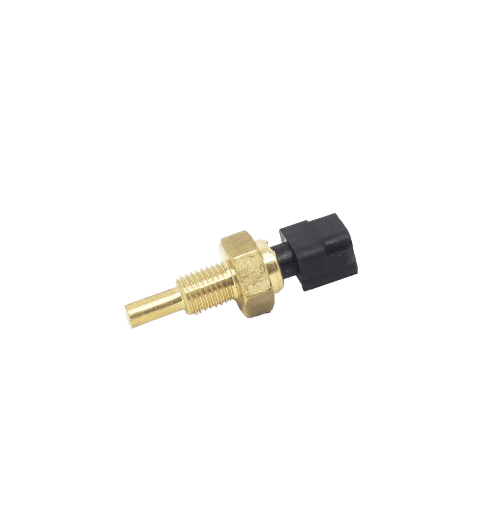
Sensor
EOT Sensor (Engine Oil Temperature)
Click to inspect photo & test specs
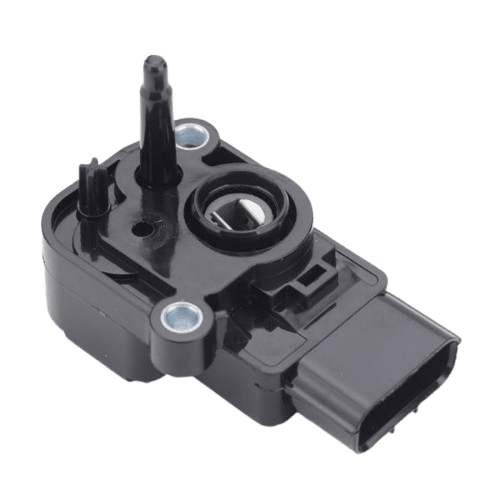
Sensor
IAT Sensor (Intake Air Temperature)
Click to inspect photo & test specs
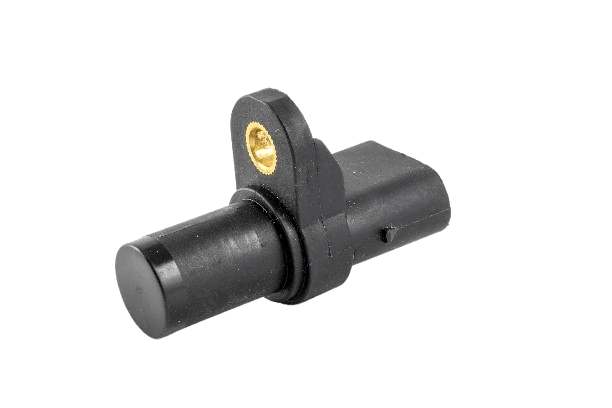
Sensor
Crankshaft Position (CKP / Pickup Coil)
Click to inspect photo & test specs
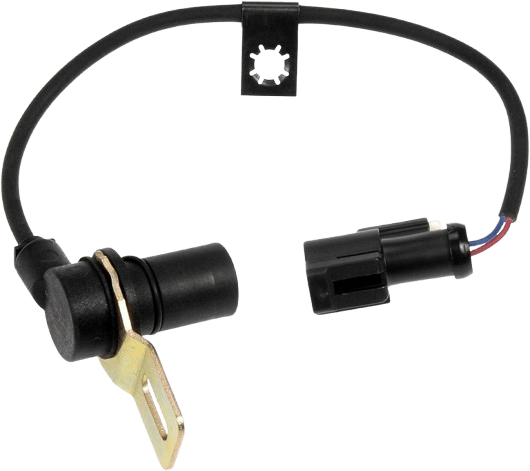
Sensor
Vehicle Speed Sensor (VSS)
Click to inspect photo & test specs
Electrical
12V Motorcycle Battery
Click to inspect photo & test specs
Common Symptoms
- • Check Engine Light (MIL Lamp): Illuminates or flashes on the speedometer console.
- • Engine Hesitation & Jerking: Poor throttle response during sudden acceleration.
- • Drop in Fuel Economy: Open-loop fuel spraying increases petrol consumption and causes black smoke.
- • Hard Cold Starting: Engine dies during idle or requires multiple starter button attempts.
Common Root Causes
- • Wiring Harness Damage: Chafed wires touching motorcycle frame metal or rodent cuts.
- • Loose / Corroded Coupler: Green oxidation or loose push-fit pins inside connector plug.
- • Defective Component: Burnt internal sensing thermistor or solenoid actuator coil.
- • Low Battery Voltage: Weak motorcycle battery under 12.0V causing ECU reference error.
Step-by-Step Diagnostic & Repair Procedure
Bench-tested repair procedure for code P011E
Step 1:
Turn off the vehicle ignition switch, remove the key, and allow all electrical and mechanical systems to cool down completely. Locate the Engine Coolant Temperature (ECT) Sensor, typically positioned screwed into the cylinder head cooling passage or thermostat housing.
Step 2:
Carefully unplug the electrical wiring coupler from the Engine Coolant Temperature (ECT) Sensor. Inspect the connector pins and socket terminals for green copper corrosion, water moisture, bent pins, or melted plastic. Trace the wiring harness back toward the control module and check for chafing, wire cuts, or melted insulation touching vehicle metal.
Step 3:
Set a digital multimeter to DC Volts and turn the ignition key ON without starting the engine. Check for proper electrical reference voltage (5.0V reference or 12V battery power depending on component specification). Next, set the meter to Ohms (continuity) and verify mechanical alignment marks or compare dual sensor readings side-by-side using live scan tool data to ensure the ground circuit has less than 0.5 Ohms resistance to the chassis ground.
Step 4:
Bench-test the component by measuring its internal resistance across the electrical terminals using your multimeter (NTC thermistor resistance (approx 2,000-3,000 Ohms cold at 20°C, decreasing smoothly to 200-350 Ohms at full engine operating temperature 90°C)). If the component is carbon-fouled, contaminated, or has poor pin tension, clean it carefully using dedicated electrical contact cleaner. If the internal coil or sensor circuit shows zero Ohms (short) or infinite Ohms (open), replace the component with a genuine OEM part.
Step 5:
Reconnect the electrical coupler firmly until the locking tab audibly clicks into place. Connect an OBD-II diagnostic scanner or use the OkBike Mechanic App to erase stored DTC fault memory from the ECU. Start the engine or power up the vehicle, perform a test drive covering varied speeds, and verify that the Warning Light remains permanently turned off.
Important Note: Simply replacing the sensor does not immediately clear the Check Engine Light (MIL). Connect an OBD-II scanner to the motorcycle diagnostic connector and execute "Erase Stored DTC Memory" followed by a road test.
Related Diagnostic Fault Codes
P011B
Engine Coolant Temperature/Intake Air Temperature Correlation. This diagnostic trouble code indicates a timing or position mismatch between two linked sensors (such as crankshaft vs camshaft, or dual wheel speed sensors). The Engine Coolant Temperature (ECT) Sensor measures engine cooling fluid temperature to regulate cold-start fuel enrichment, ignition timing advance, and radiator cooling fan switching. When this circuit fails, the vehicle computer illuminates the Check Engine / Warning Light and may log an active diagnostic fault code.
P011C
Charge Air Cooler Temperature/Intake Air Temperature Correlation Bank 1. This diagnostic trouble code indicates a timing or position mismatch between two linked sensors (such as crankshaft vs camshaft, or dual wheel speed sensors). The Intake Air Temperature (IAT) Sensor measures ambient intake air temperature so the ECU can compensate for air density variations in cold or hot weather. When this circuit fails, the vehicle computer illuminates the Check Engine / Warning Light and may log an active diagnostic fault code.
P011D
Charge Air Cooler Temperature/Intake Air Temperature Correlation Bank 2. This diagnostic trouble code indicates a timing or position mismatch between two linked sensors (such as crankshaft vs camshaft, or dual wheel speed sensors). The Intake Air Temperature (IAT) Sensor measures ambient intake air temperature so the ECU can compensate for air density variations in cold or hot weather. When this circuit fails, the vehicle computer illuminates the Check Engine / Warning Light and may log an active diagnostic fault code.
P011F
Engine Coolant Temperature 2 / Ambient Air Temperature Correlation. This diagnostic trouble code indicates a timing or position mismatch between two linked sensors (such as crankshaft vs camshaft, or dual wheel speed sensors). The Engine Coolant Temperature (ECT) Sensor measures engine cooling fluid temperature to regulate cold-start fuel enrichment, ignition timing advance, and radiator cooling fan switching. When this circuit fails, the vehicle computer illuminates the Check Engine / Warning Light and may log an active diagnostic fault code.
P0120
Throttle/Pedal Position Sensor/Switch A Circuit. This diagnostic trouble code has detected an abnormal operating condition or electrical signal failure. The Throttle Position Sensor (TPS) detects throttle butterfly valve opening angle when the rider or driver twists the throttle grip or presses the accelerator. When this circuit fails, the vehicle computer illuminates the Check Engine / Warning Light and may log an active diagnostic fault code.
P0121
Throttle/Pedal Position Sensor/Switch A Circuit Range/Performance. This diagnostic trouble code indicates an in-range rationality fault where the sensor is sending a signal, but the value contradicts other sensor readings or expected physical limits. The Throttle Position Sensor (TPS) detects throttle butterfly valve opening angle when the rider or driver twists the throttle grip or presses the accelerator. When this circuit fails, the vehicle computer illuminates the Check Engine / Warning Light and may log an active diagnostic fault code.
